
Choosing the Right HVAC System: A Comprehensive Guide

Updated: 3 hours ago
When it comes to keeping your home comfortable, choosing the right HVAC system is crucial. The right system can make a significant difference in your energy bills, indoor air quality, and overall comfort. With so many options available, it can be overwhelming to decide which system is best for your needs. This guide will help you navigate the process, ensuring you make an informed choice.
Understanding HVAC Systems
HVAC stands for Heating, Ventilation, and Air Conditioning. These systems work together to regulate the temperature and air quality in your home. Here are the main components:
Heating: This can be provided by furnaces, heat pumps, or boilers. Each type has its own advantages and disadvantages.
Ventilation: This involves the exchange of indoor and outdoor air. Proper ventilation is essential for maintaining good air quality.
Air Conditioning: This cools the air in your home during hot months. Central air conditioning and window units are common options.
Understanding these components will help you determine what you need for your home.
Types of HVAC Systems
There are several types of HVAC systems to consider. Each has its own benefits and drawbacks. Here are the most common types:
Central Air Conditioning Systems
Central air conditioning systems are popular for larger homes. They use ductwork to distribute cool air throughout the house.
Pros:
Even cooling throughout the home
Can be more energy-efficient than window units
Cons:
Higher installation costs
Requires ductwork, which may not be present in older homes
Ductless Mini-Split Systems
Ductless mini-split systems are a great option for homes without ductwork. They consist of an outdoor unit and one or more indoor units.
Pros:
Flexible installation options
Energy-efficient
Cons:
Higher upfront costs
May not cool large spaces as effectively as central systems
Heat Pumps
Heat pumps can provide both heating and cooling. They work by transferring heat rather than generating it.
Pros:
Energy-efficient
Can reduce heating costs in mild climates
Cons:
Less effective in extremely cold temperatures
Higher initial costs compared to traditional systems
Furnaces
Furnaces are a common heating option. They can run on gas, oil, or electricity.
Pros:
Effective for heating large spaces
Can be less expensive to install than heat pumps
Cons:
Can be less energy-efficient
Requires regular maintenance to ensure safety and efficiency
Boilers
Boilers use hot water or steam to heat your home. They are often used in older homes.
Pros:
Even heating
Can be more energy-efficient than furnaces
Cons:
Higher installation costs
Requires regular maintenance
Factors to Consider When Choosing an HVAC System
When selecting an HVAC system, consider the following factors:
Size of Your Home
The size of your home will significantly impact the type of system you choose. Larger homes may require central air conditioning or multiple mini-split units.
Climate
Your local climate plays a crucial role in determining the best HVAC system. If you live in a region with extreme temperatures, a heat pump may not be the best choice. Here in Ohio, it can be a popular option.
Energy Efficiency
Look for systems with high energy efficiency ratings. This can save you money on energy bills in the long run.
Budget
Consider both the initial installation costs and long-term operating costs. Sometimes, spending more upfront can lead to savings later.
Maintenance Requirements
Different systems have different maintenance needs. Be sure to choose a system that fits your lifestyle and willingness to perform regular maintenance.
Energy Efficiency Ratings
Understanding energy efficiency ratings can help you make a more informed decision. Here are some key terms to know:
SEER (Seasonal Energy Efficiency Ratio)
SEER measures the efficiency of air conditioning systems. The higher the SEER rating, the more efficient the system.
AFUE (Annual Fuel Utilization Efficiency)
AFUE measures the efficiency of heating systems. A higher AFUE rating indicates better efficiency.
HSPF (Heating Season Performance Factor)
HSPF measures the efficiency of heat pumps. Like SEER, a higher rating means better efficiency.
Installation Considerations
Once you have chosen the right HVAC system, proper installation is crucial. Here are some tips:
Hire a Professional: Always hire a licensed HVAC contractor for installation. They have the expertise to ensure the system is installed correctly.
Check Local Codes: Make sure your installation complies with local building codes and regulations.
Consider Ductwork: If you are installing a central system, ensure your ductwork is in good condition. Leaky ducts can reduce efficiency.
Maintenance Tips for Your HVAC System
Regular maintenance is essential for keeping your HVAC system running efficiently. Here are some tips:
Change Filters Regularly: Dirty filters can restrict airflow and reduce efficiency. Change them every 1-3 months.
Schedule Annual Inspections: Have a professional inspect your system at least once a year. This can catch potential issues before they become major problems.
Clean the Outdoor Unit: Keep the area around your outdoor unit clear of debris. This helps maintain airflow and efficiency.
The Importance of Indoor Air Quality
Indoor air quality is often overlooked but is crucial for your health and comfort. Here are some ways to improve it:
Use Air Purifiers: Consider using air purifiers to reduce allergens and pollutants.
Ventilate: Ensure your home is well-ventilated to allow fresh air to circulate.
Control Humidity: Use dehumidifiers in damp areas to prevent mold growth.
Making the Final Decision
Choosing the right HVAC system is a significant decision. Take your time to research and consider your options.
Consult with Professionals: Don’t hesitate to ask for advice from HVAC professionals. They can provide valuable insights based on your specific needs.
Get Multiple Quotes: If you decide to hire a contractor, get quotes from several companies. This can help you find the best price and service.
Think Long-Term: Consider the long-term costs and benefits of each system. Sometimes, investing more upfront can lead to greater savings down the road.
Your Path to Comfort
Choosing the right HVAC system is not just about comfort; it is also about efficiency and health. By understanding your options and considering your specific needs, you can make a choice that will serve you well for years to come.
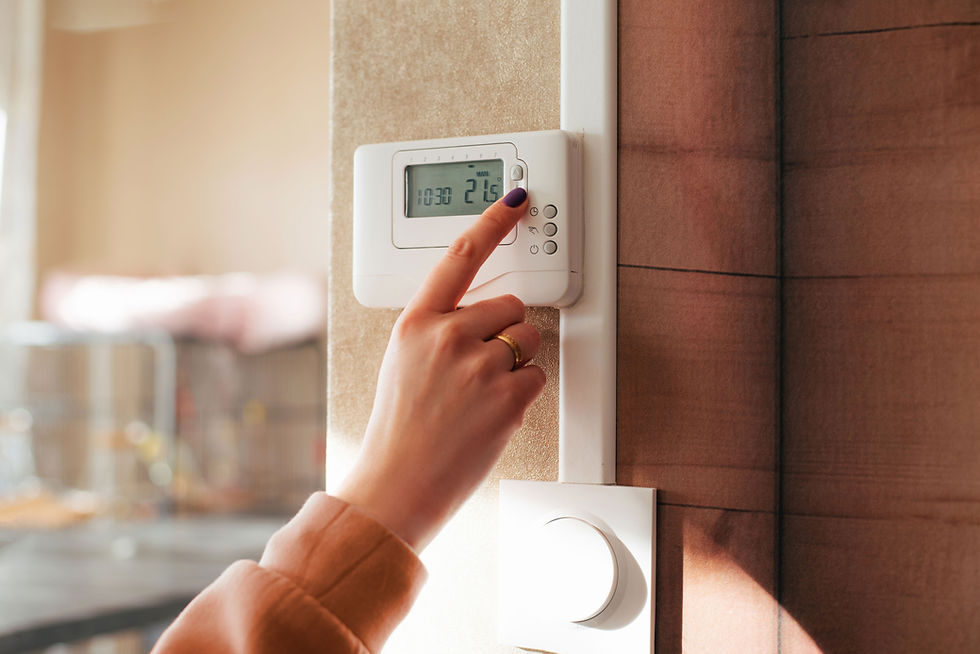
In the end, the right HVAC system can transform your living space. It can create a comfortable environment, improve air quality, and save you money. Take the time to explore your options, consult with us at TCS Heating & Cooling, and make an informed decision. Your home deserves the best, and so do you.